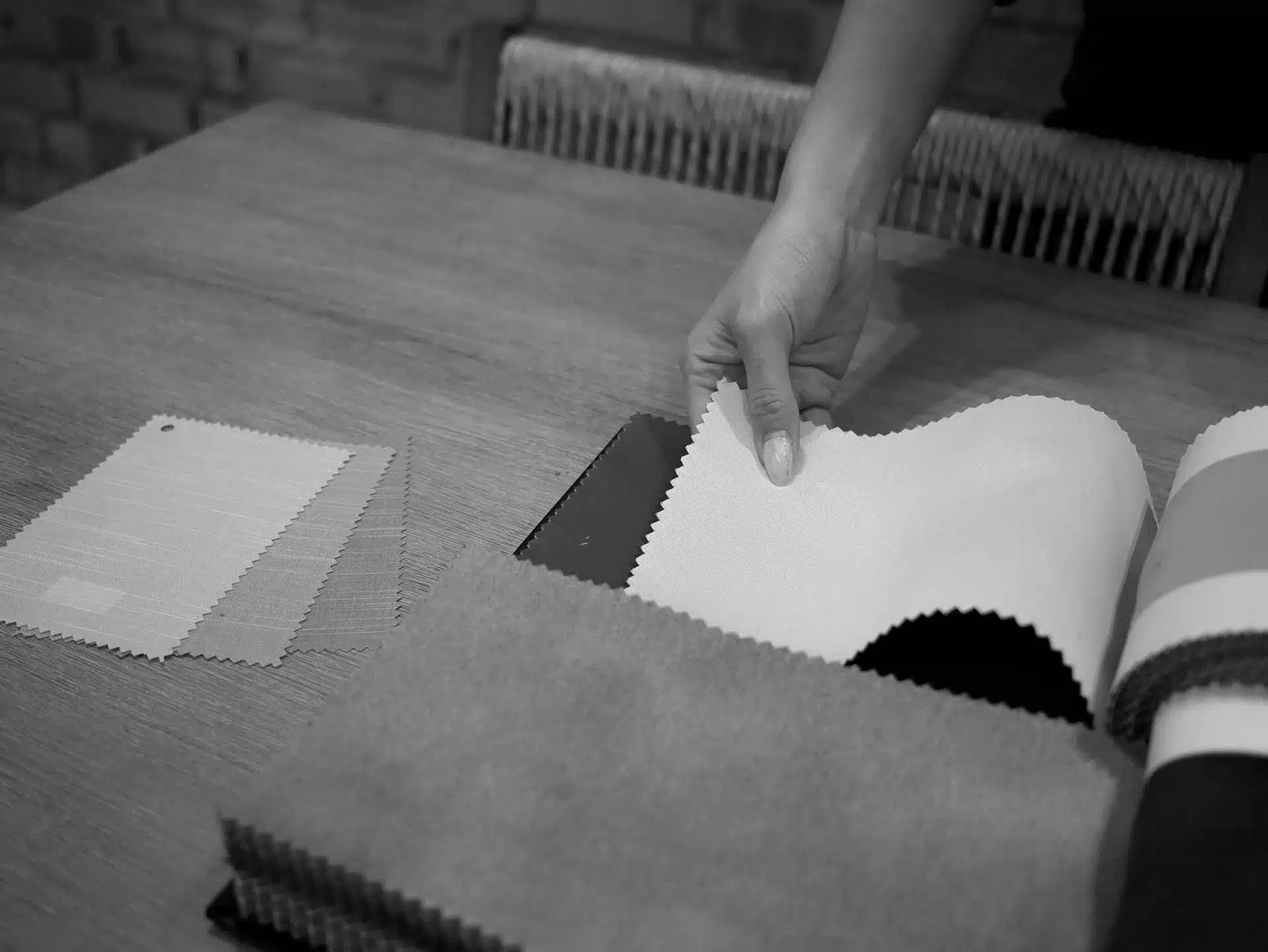
Pleated Curtains
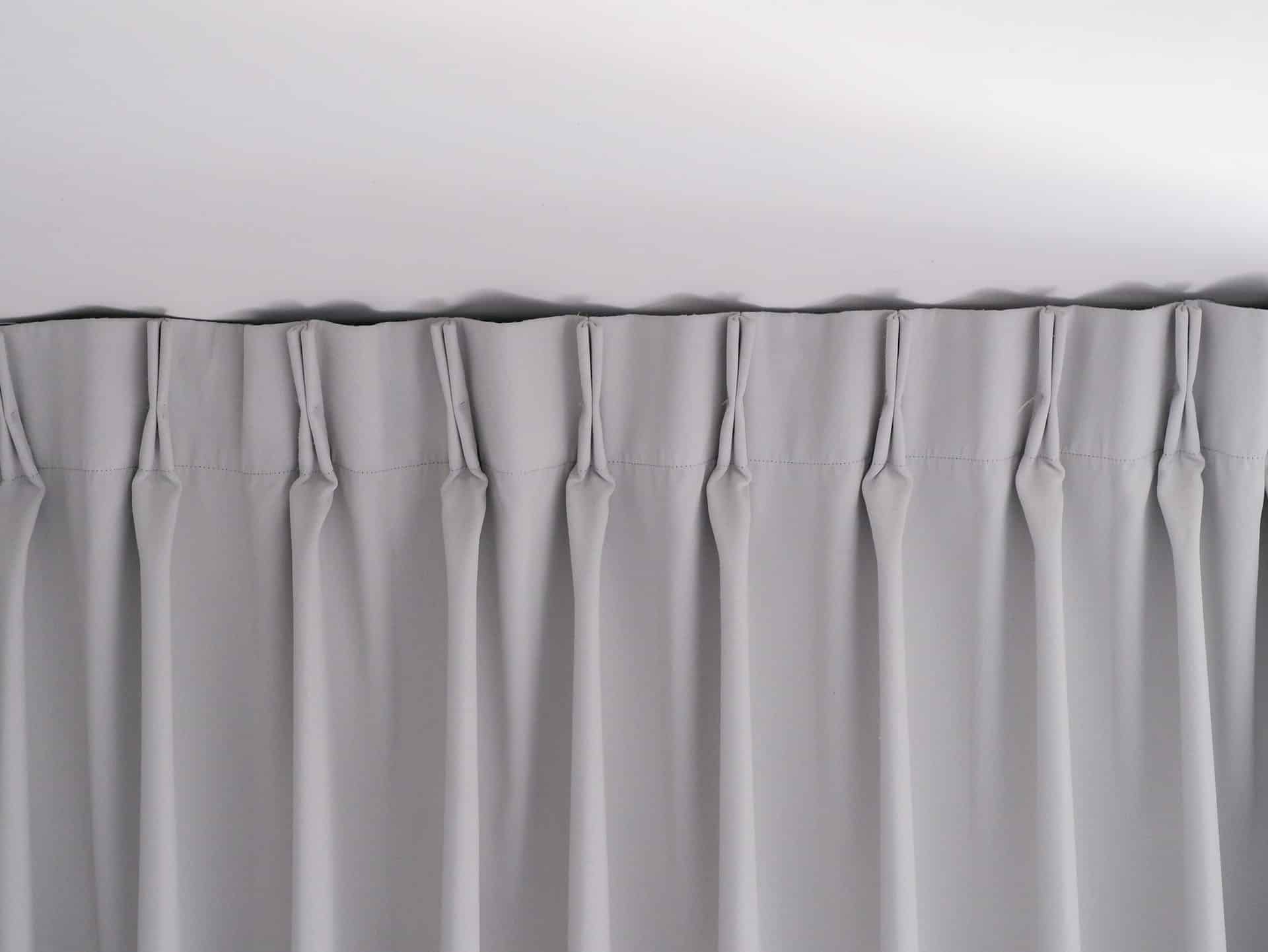
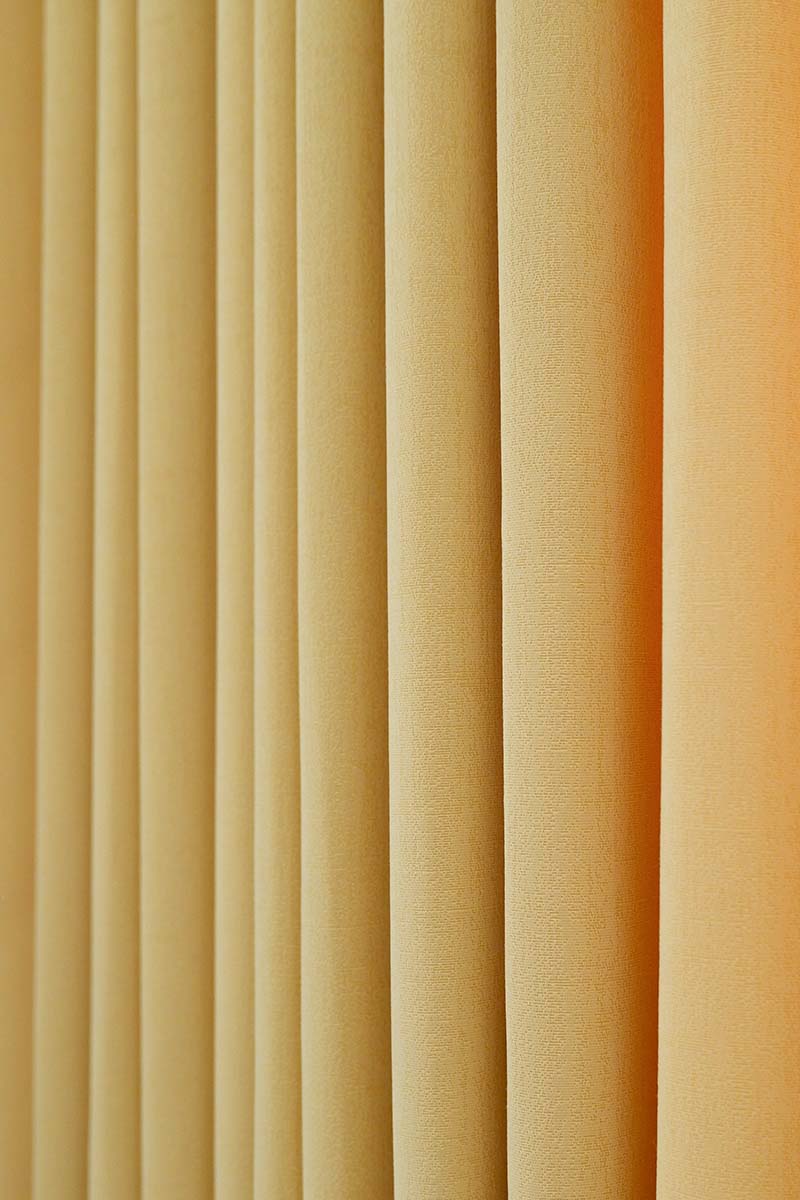
Pleated Curtains use evenly spaced, stitched-in folds at the header to create a structured, tailored shape.
Double pleats add fullness and form, giving a more substantial drape than wave-style S-fold systems. The structured header holds its shape whether the curtain is open or closed, suiting bedrooms, formal living rooms, and interiors that lean traditional or transitional.
Pleated curtains are also referred to as Double-Pleated Curtains, or sometimes simply "normal curtains".
Properties
Structured, Tailored Header
Sewn-in pleats hold a uniform, formal shape at the top, even when the curtains are partially drawn. A more traditional look than wave-style S-fold systems.
Fuller Fabric Presence
Double pleats add roughly twice the fabric width at the header, giving a denser, more substantial drape suited to bedrooms and formal living rooms.
Wide Hardware Compatibility
Works with most curtain tracks and decorative poles, including ceiling-mounted I-rails common in HDB and condo renovations.
Suits Singapore Ceiling Heights
Hangs cleanly from a ceiling-mounted track at standard ~2.6m HDB ceilings or higher condo heights. Stack-back is moderate to wide depending on pleat density.
Pleated Curtains in Singapore Homes
Ceiling Heights and Track Choice
HDB flats from the 1990s onwards typically have an internal ceiling height of around 2.6 metres, with older flats nearer 2.4 metres and modern condos generally between 2.7 and 3.1 metres. Pleated curtains hang cleanly from a ceiling-mounted I-rail or U-rail at any of these heights, creating the full-height drape that suits the formal feel of pleated headers.
Stack-Back and Window Width
Pleated curtains stack more widely than S-fold systems when fully drawn open. Typical stack-back is around 18 to 25 percent of the rod width, depending on pleat density. For a 3-metre window with a centre-opening pair, that means roughly 30 to 38 centimetres of stack at each end. The track is usually extended beyond the window frame so the stacked fabric does not block daylight when the curtains are open.
Layered Day and Night Curtains
For Singapore bedrooms, pleated curtains are most often installed as a layered two-track system: a sheer day curtain in front and a blackout night curtain behind. The pleated header on the blackout layer creates a denser top seal, which helps reduce light leakage above the panel \u2014 a common concern in bedrooms where daytime sleep matters.
Fabrics
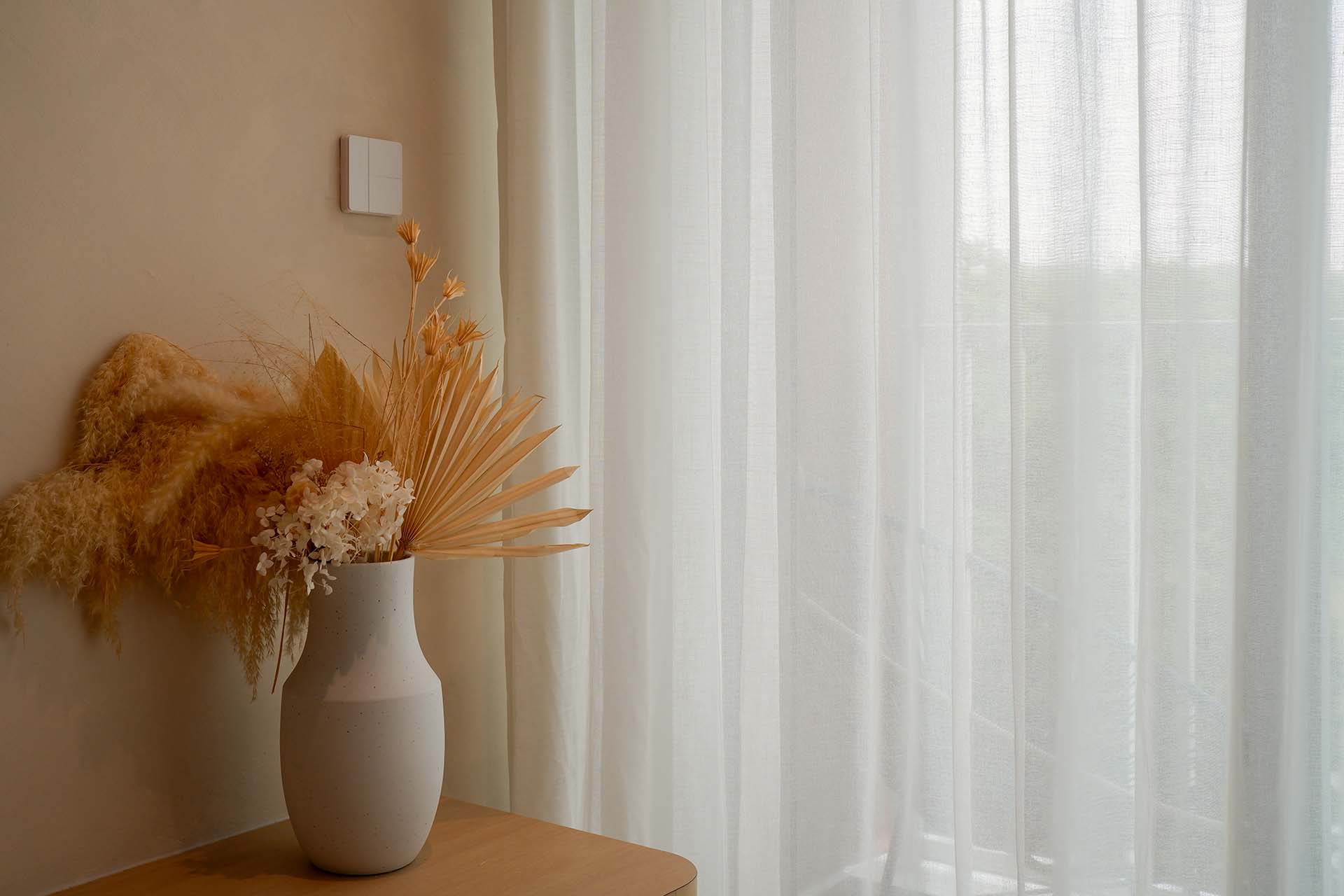
Sheer
Light, translucent fabric that filters daylight while keeping rooms bright. Common as the day layer in a bedroom or living-room layered system.
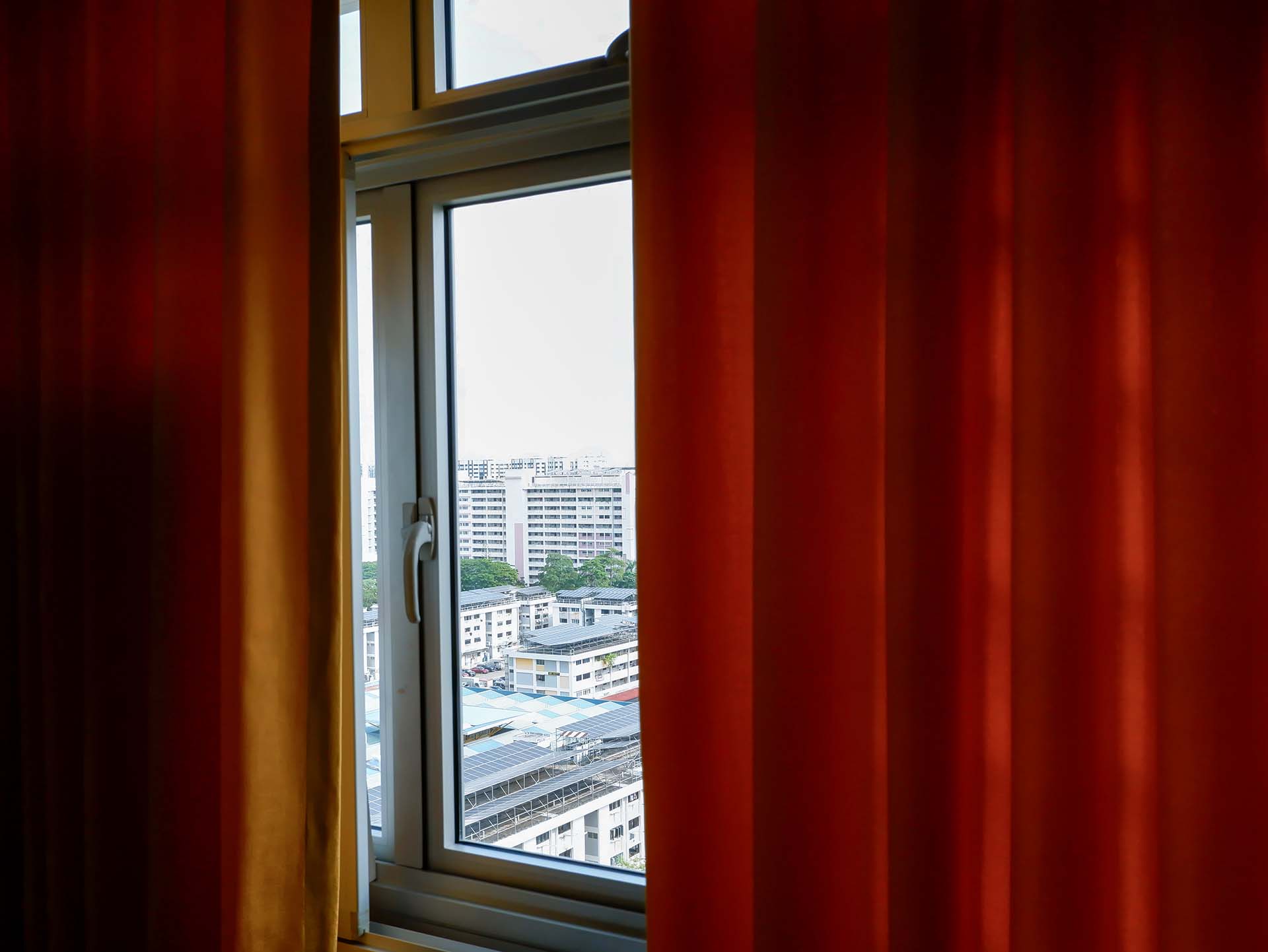
Dimout
Medium-weight fabric that softens light and provides daytime privacy without darkening the room. A balanced choice for living and dining areas.
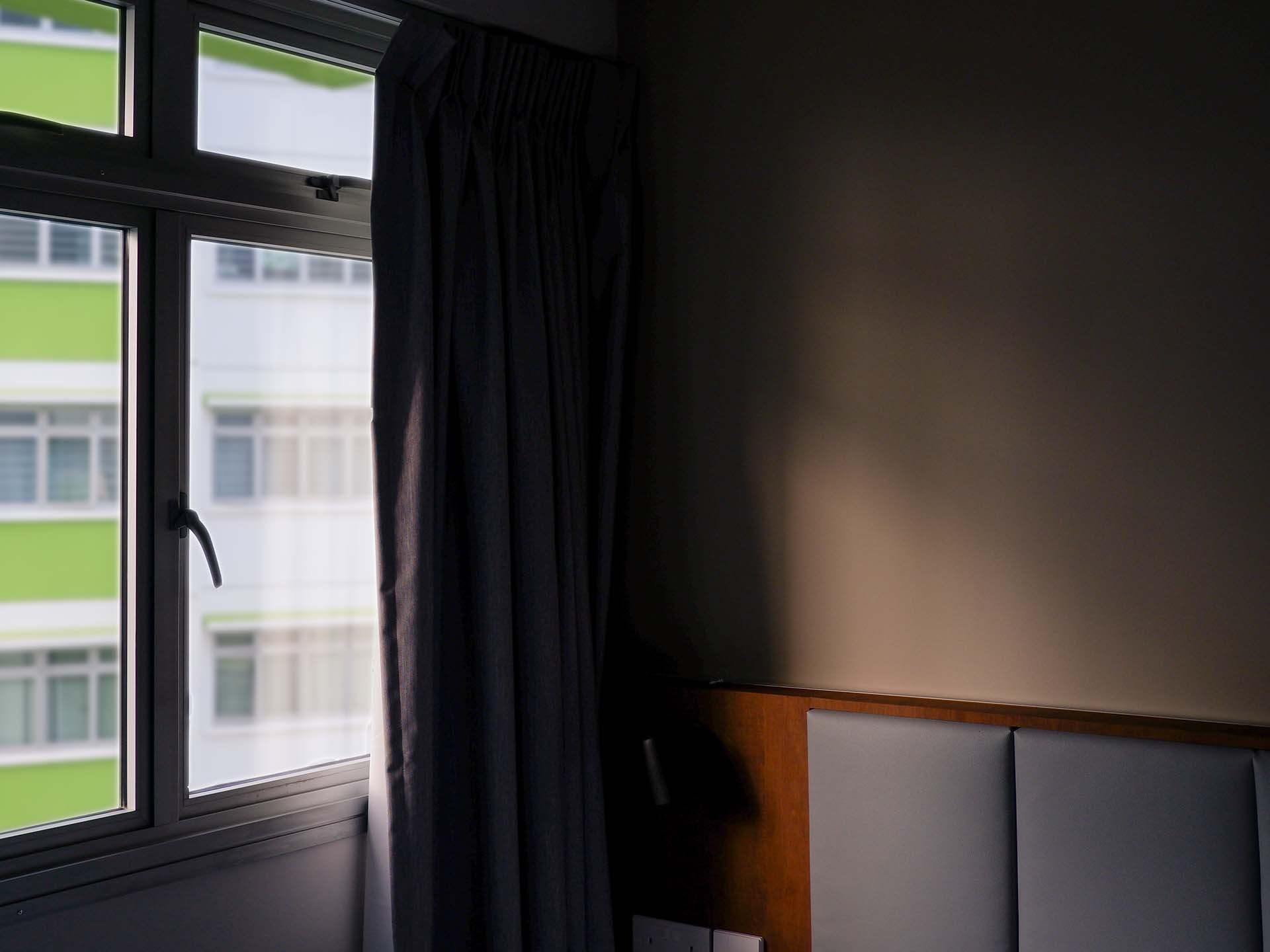
Blackout
Densely woven fabric that blocks 99–100% of light through the weave. Pleated headers improve the seal at the top of the panel, which is why pleated blackout curtains are a popular bedroom choice.
Climate Considerations
Humidity and Pleat Stability
Singapore's 70 to 90 percent year-round humidity affects curtain fabrics differently. Polyester and polyester-blend fabrics in our range hold their pleats well over time, even in unconditioned spaces. Heavier natural-fibre weaves can absorb moisture and gradually relax at the header, softening the pleat definition.
Pleated panels can be removed from the track for cleaning, and most fabrics in our range are recommended for cold gentle machine wash or dry cleaning. Most Singapore homes wash curtains once or twice a year.
Sun Exposure on West-Facing Windows
Direct afternoon sun on west-facing windows can fade lighter and cheaper fabrics over years. For consistently sun-exposed installations, our team often recommends darker tones, lined fabrics, or pairing the pleated curtain with a roller shade behind it for added UV reduction.
Choosing Pleated Curtains for Specific Rooms
Master Bedroom
One of the most common applications. The dense pleated header of a blackout curtain helps seal light at the top of the panel, and the layered sheer-plus-blackout configuration on a two-track system is the standard Singapore bedroom setup.
Formal Living and Dining Rooms
Pleated curtains in dimout fabric suit living and dining rooms designed around a more traditional or transitional aesthetic. The structured header gives a tailored finish that S-fold and roller systems do not.
Children's Bedrooms
Pleated blackout curtains work well in children's rooms where daytime naps need real darkness. The pleated top, paired with a deep pelmet, helps reduce light leakage at the top of the panel.
Kitchen and Bathroom
Pleated curtains are generally not recommended for kitchens or bathrooms. The full-length drape interferes with worktops, and the fabric is exposed to cooking moisture and steam. Roller blinds or zebra blinds are the more practical choice for those rooms.
Installation in HDB and Condo Contexts
False Ceiling Planning
Most modern HDB BTO and condo renovations include a false ceiling, often with a recessed pelmet for curtains. For pleated curtain tracks, allow at least 100 millimetres of recess depth for a single track or 200 millimetres for a double-track layered system. Decisions about pelmet depth and track placement need to happen before the false ceiling is closed up.
Track Type
Pleated curtains can be hung from I-rails (single track), U-rails (where the pleat hangs lower than the track), or decorative rods. I-rails recessed into a false ceiling pelmet are the most common HDB and condo configuration. Decorative rods are more often used in landed homes or in interiors that intentionally show the hardware as a design feature.
Power for Motorisation
Motorised pleated curtains require a 230V power point near one end of the track. The pleated header adds a small amount of weight compared with S-fold, but well within the load range of standard curtain motors. For Apple Home, Google Home, or Aqara integration, plan the power point during the renovation electrical phase.
When Should You Choose Pleated Curtains?
Pleated Over S-Fold
Both pleated and S-fold curtains create full-length drapes. Pleated uses sewn-in folds for a structured, tailored look; S-fold uses a continuous wave profile for a softer, more contemporary feel. Pleated suits traditional and transitional interiors and gives a denser top seal for blackout applications. S-fold suits modern, minimalist interiors and stacks more compactly when drawn open.
Pleated Over Blinds
Compared with blinds, pleated curtains offer fuller height coverage, better blackout potential, softer light diffusion, and more visual presence. Blinds win on minimalism, on tighter spaces, and on rooms where wipe-clean maintenance matters (kitchens, bathrooms, service yards).
When Pleated Curtains Are Not the Best Fit
Pleated curtains are less suited to very narrow windows (under roughly 900 millimetres), where the pleat repeats lose definition. They are also not appropriate for kitchens, bathrooms, or rooms where worktops or sinks sit directly under the window.
Read more in our guide
See how pleated curtains compare to S-fold and other systems, and learn which fabric suits your room.
Ready to visit?
- ✓Experience our fabrics – feel and see how they move in natural light.
- ✓Explore full-sized curtains and blinds in a real setting.
- ✓Try out motorized and smart systems before you decide.
- ✓Get personalised advice from our team.
- ✓Discover combinations that work for your space, lighting, and style.